
Automatic Diesel Generator Set | Unattended Operation, ATS, Remote Monitoring | Emergency Backup Power Solutions
Complete overview of automatic diesel generator sets: covering automatic start/stop, ATS automatic transfer switch, remote monitoring, self-diagnostics, multi-unit paralleling, and load sharing. Ideal for data centers, hospitals, factories, and high-rise buildings. Includes technical advantages, application scenarios, and power selection guidance to help you quickly choose the right unattended backup power system.
What Is an Automatic Diesel Generator Set
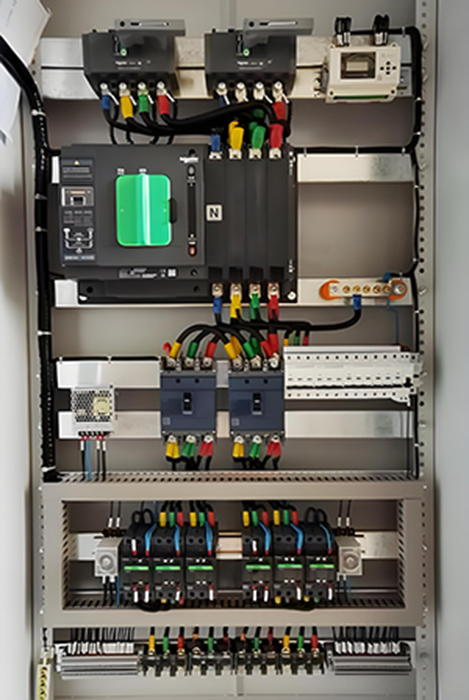
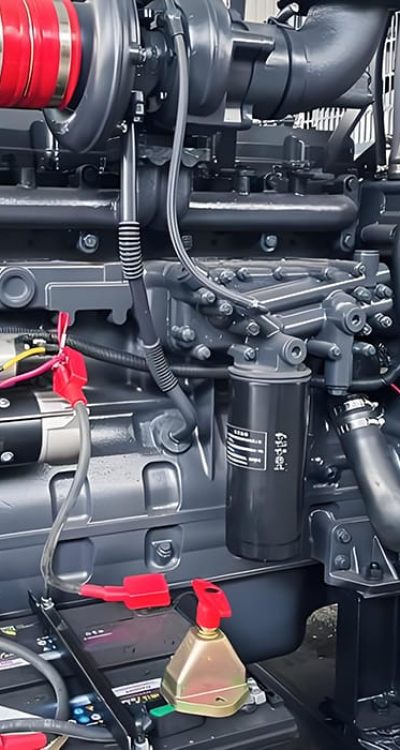
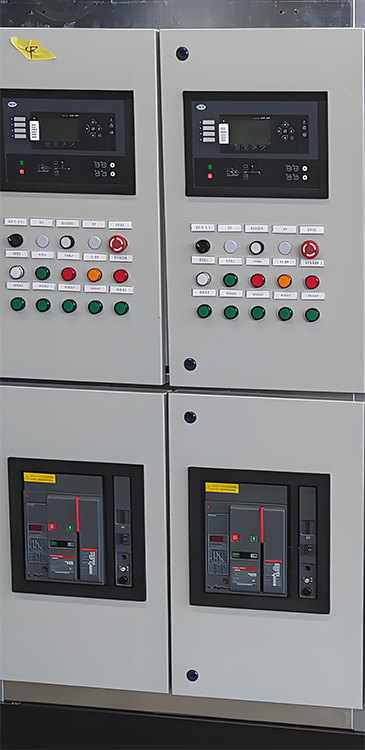
definition
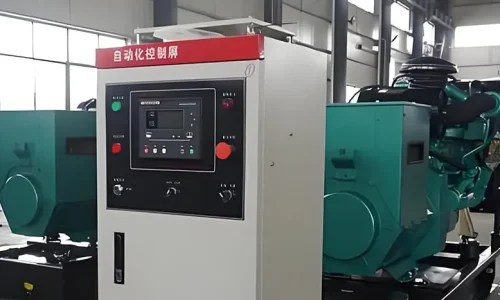
A fully automatic diesel generator is a diesel-powered generator equipped with an intelligent control system that enables it to start, operate, monitor, and shut down automatically without manual intervention. It ensures seamless power supply by detecting power outages and switching to generator mode instantly.
Basic principles
A fully automatic diesel generator operates based on its advanced control system. When a power outage occurs, the system detects the loss of electricity through an Automatic Transfer Switch (ATS). The control system then starts the generator automatically. Once the generator reaches stable operation, the ATS transfers the load from the main power supply to the generator. When the main power supply is restored, the control system shuts down the generator after transferring the load back to the grid, ensuring uninterrupted power supply and efficient operation.
Core Functions Explained
Key functional modules behind fully automated operation
Automatic Start and Stop
A high-precision controller continuously monitors utility voltage, frequency, and phase. When utility power fails or becomes unstable, the controller sends a start command; the generator set automatically starts and reaches rated speed and voltage. After utility power is restored and stable, the set automatically shuts down following a cooling delay, extending engine life.
Automatic Transfer Switch (ATS)
The ATS is the key device connecting utility power, the generator, and loads. Under normal conditions, the ATS connects loads to the utility side. Once the generator set starts and its voltage stabilizes, the ATS automatically transfers loads to the generator side. The transfer uses a “break-before-make” method to ensure safety and reliability.
Remote Monitoring and Management
Supports RS485 Modbus, Ethernet, GPRS/4G/5G, and other communication protocols, enabling integration with local monitoring centers or cloud platforms. Users can view real-time operational parameters such as voltage, current, frequency, coolant temperature, and oil pressure via computers or mobile apps, and can remotely start, stop, modify parameters, and acknowledge alarms.
Self-Diagnosis and Protection
The controller features comprehensive protection logic, monitoring faults such as low oil pressure, high coolant temperature, overspeed, overload, start failure, and battery charging failure. When a fault occurs, the set automatically shuts down, displays a fault code, and can output alarm signals via dry contacts for integration with fire alarm or building automation systems.
Automatic Synchronization and Load Sharing
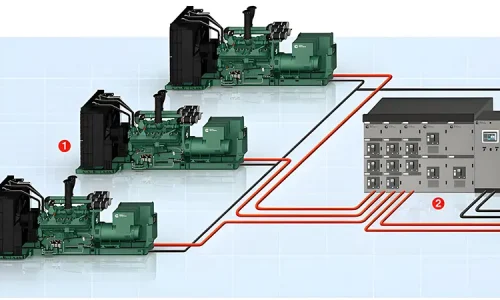
In multi-unit parallel operation, the controller supports automatic synchronization, matching frequency and phase, and automatically balances active and reactive power based on predefined strategies such as equal load sharing or proportional distribution. This enhances system redundancy and fuel efficiency, meeting high-power or high-reliability requirements.
Comparison Table of Fully Automatic vs. Manual Generator Sets
| Feature | Manual Start | Fully Automatic |
|---|---|---|
| Response Time | 5 - 15 Minutes (Manual) | < 10 Seconds (Auto) |
| Personnel Requirement | Requires trained operator | No operator needed |
| Application | Construction, Agriculture | Data Centers, Hospitals, Banks |
| Safety Logic | High risk of human error | PLC-controlled precision |
4-Step Emergency Power Restoration
1.Detection:
The controller detects a voltage drop or total power loss from the grid.
2.Startup:
The generator cranks and reaches rated speed/voltage within seconds.
3.Switching:
The ATS switches the load from the grid to the generator.
4.Cool Down:
Once grid power returns, the system switches back and runs the engine for 3-5 mins to cool down before shutting off.
How to Choose the Right Power Rating Based on Load Requirements
| Common Power Range (kW/kVA) | Recommended Load Types and Scenarios |
|---|---|
| 20 – 200 kVA | Small offices, retail stores, telecom base stations, small properties |
| 250 – 800 kVA | Medium-sized factories, hospitals, data centers, commercial complexes |
| 900 – 2000 kVA | Large manufacturing facilities, high-rise buildings, regional data centers |
| Above 2000 kVA | High-energy industries, prime power for industrial parks, critical infrastructure |
Load Type: Motor loads require attention to starting current, typically 5–7 times rated current.
Operating Environment: Power ratings must be derated for high altitude, high temperature, or high humidity conditions.
Operation Mode: Clarify whether the set is intended for prime power or standby power, as power definitions differ.
Future Expansion: It is advisable to reserve 10–20% capacity margin to accommodate future load growth.